Article Plan: Wild Geese by Mary Oliver (PDF Focus) ‒ February 17, 2026
Today, February 17, 2026, this article explores accessing Mary Oliver’s “Wild Geese” in PDF format,
considering legality, quality, and its use in educational contexts like P78 materials.
Mary Oliver’s poetry, including “Wild Geese,” frequently appears as downloadable PDFs. These resources offer convenient access to her work,
facilitating study and appreciation of her impactful verses, like those found in a 118-page collection.
Mary Oliver’s Poetic Style & Themes
Mary Oliver’s poetic style is renowned for its accessible language, vivid imagery drawn from the natural world, and profound spiritual depth. She often employs free verse, eschewing strict rhyme schemes and meters to create a conversational, yet deeply resonant, tone. Her work frequently centers on themes of nature, spirituality, and the importance of paying attention to the world around us.
The availability of her poems, such as “Wild Geese,” in PDF format underscores their enduring appeal and widespread use in educational settings. Oliver’s poems, including those within a 118-page collection, invite readers to contemplate their place within the larger ecosystem and to find solace and meaning in the simple act of observation.
Her focus on embodiment – “the soft animal of your body” – encourages a reconnection with physical experience, a theme often explored in academic analysis. The ease of accessing PDFs allows for convenient study and dissemination of her work, fostering a deeper understanding of her unique poetic voice and the universal themes she explores. The poem’s accessibility via digital formats enhances its reach and impact.
Initial Reception and Popularity of “Wild Geese”
“Wild Geese,” published in 1986, quickly gained recognition for its comforting message of self-acceptance and belonging. While initial critical reception focused on Oliver’s broader body of work, the poem’s accessibility resonated deeply with a wider audience, fostering its enduring popularity. The poem’s themes – finding one’s place, embracing imperfection – struck a chord, leading to its frequent inclusion in anthologies and educational materials, like the P78 English language learning resource.
The increasing availability of “Wild Geese” in PDF format reflects and further amplifies its continued relevance. Digital distribution allows for easy sharing and study, particularly within academic contexts. The poem’s concise yet powerful message makes it ideal for classroom discussion and analysis, contributing to its sustained presence in literary circles.
The poem’s enduring appeal is evidenced by its continued circulation, both in print and digitally, demonstrating its power to connect with readers across generations. The ease of access through PDFs ensures its continued influence.
The Poem “Wild Geese”: A Detailed Overview
“Wild Geese”, by Mary Oliver, is readily available as a PDF, facilitating study and analysis of its themes. The poem encourages self-acceptance and finding one’s place.
Text of the Poem (Availability in PDF Format)
Mary Oliver’s “Wild Geese” is widely accessible in PDF format across numerous online platforms. This accessibility allows for convenient study and analysis, particularly within educational settings. The poem itself, a cornerstone of Oliver’s work, begins with a powerful invitation to those who feel separate or lost. It acknowledges the tendency to harshly judge oneself, urging a gentler approach to self-perception.
The full text, often found accompanying critical analyses, is easily downloadable. Many websites offer the poem as a standalone PDF, while others include it within larger collections of Oliver’s poetry. The poem’s opening lines – “You do not have to be good.” – immediately establish a tone of radical acceptance. It continues by describing the natural world, specifically the flight of wild geese, as a metaphor for finding one’s place within the larger ecosystem of life. The poem’s concluding message emphasizes the inherent worthiness of each individual, regardless of perceived flaws or shortcomings.
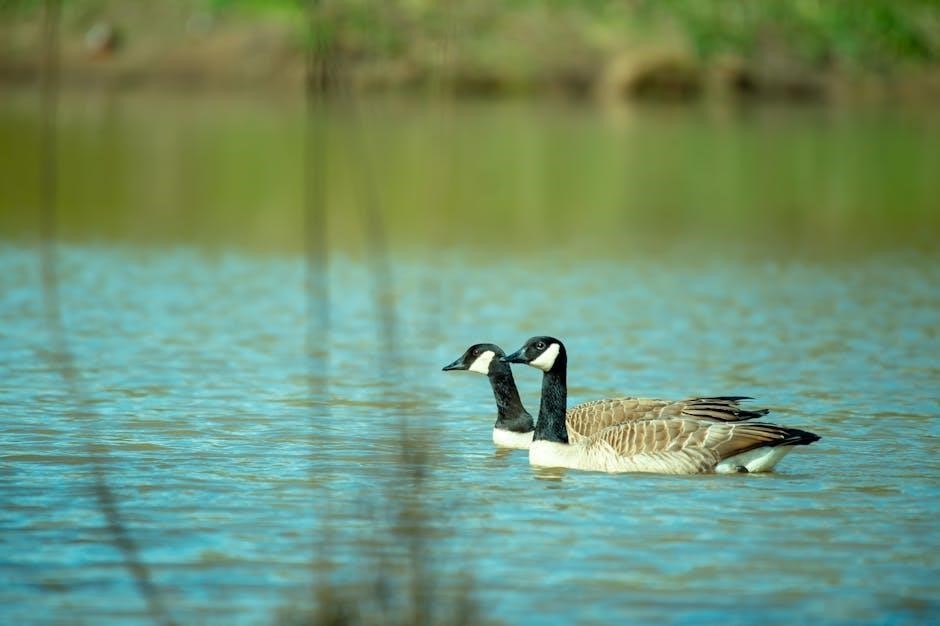
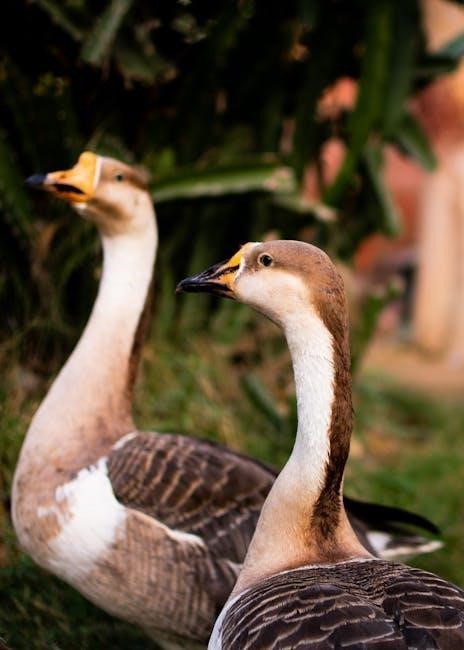
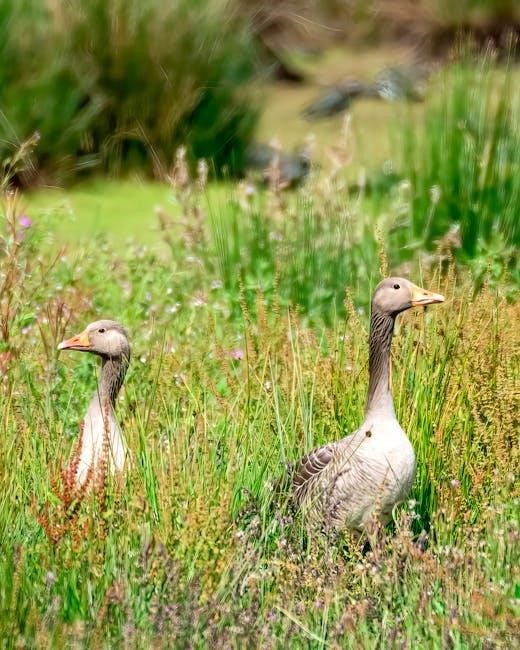
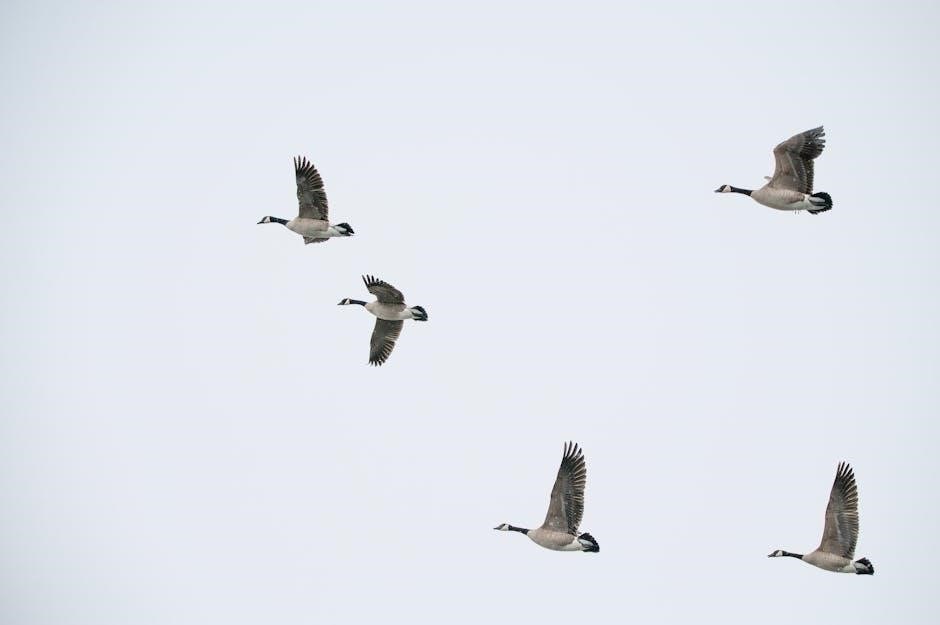
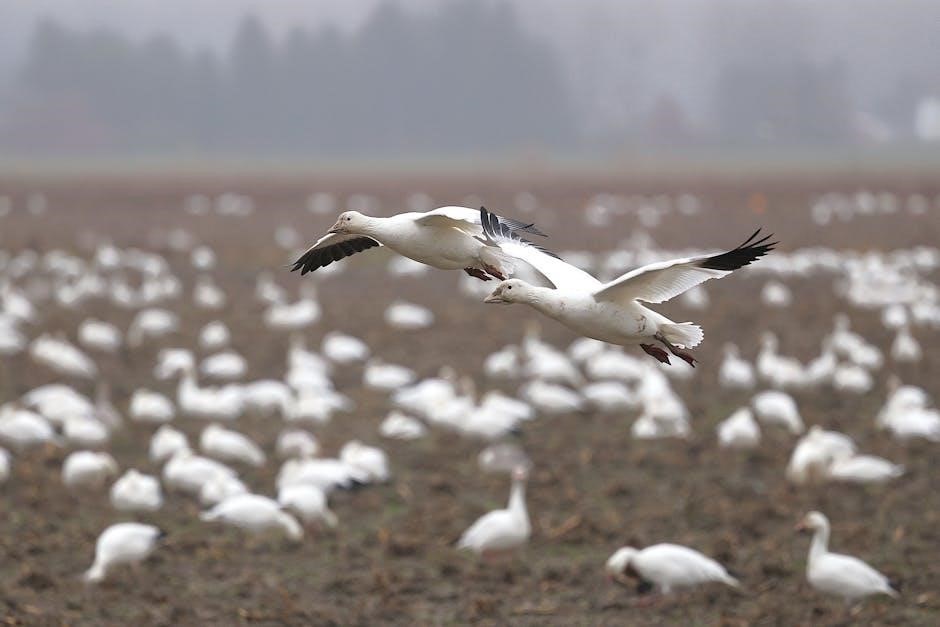
“Wild Geese” by Mary Oliver, readily available in PDF format for study, presents a profound message of self-acceptance and belonging. The poem addresses individuals burdened by self-criticism, suggesting they don’t need to strive for perfection to deserve a place in the world. Oliver uses the image of wild geese freely flying and claiming their space as a powerful metaphor.
The core message revolves around recognizing one’s inherent worth, independent of societal expectations or personal failings. The “soft animal of your body” represents our vulnerable, authentic selves, deserving of love and acceptance. The poem encourages readers to relinquish the need for constant self-improvement and instead, embrace their natural state. It’s a call to find solace in the natural world and to understand that we are all part of a larger, interconnected existence. Ultimately, “Wild Geese” offers a comforting reminder that we are always welcome, just as we are.
Analyzing the Poem’s Key Elements
Exploring “Wild Geese” (PDF accessible), we’ll dissect symbolism – the geese themselves, the “soft animal” – and unpack themes of belonging and self-acceptance within Oliver’s work.
The Symbolism of Wild Geese
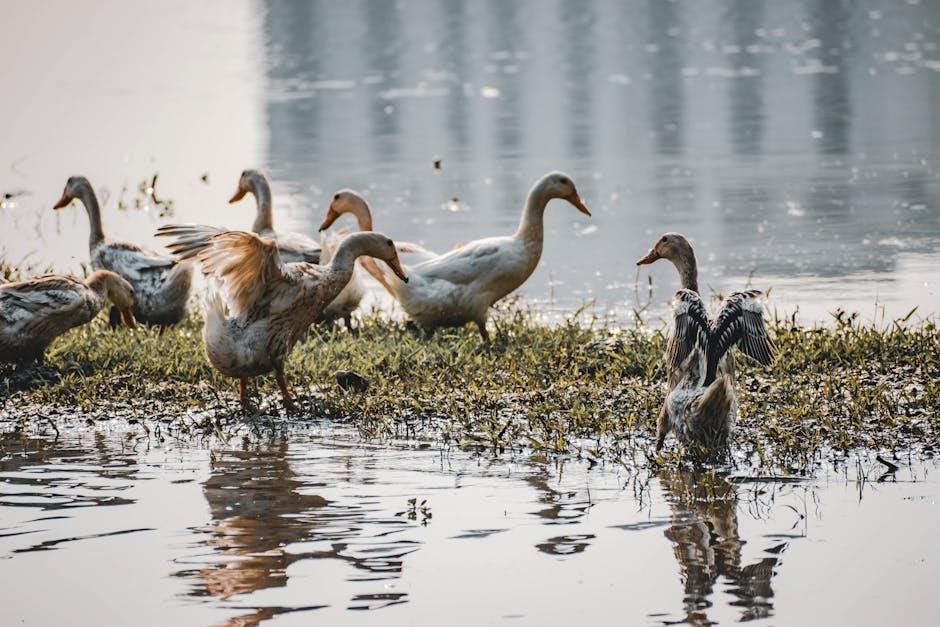
Within the readily available PDF of “Wild Geese,” the titular birds transcend mere avian representation, functioning as potent symbols of untamed freedom and the natural world’s inherent acceptance. Oliver doesn’t present the geese as aloof or unattainable; rather, they offer a compelling invitation to rejoin a wilder, more authentic existence.
Their “deafening and fascinating” call, as described in related materials, isn’t disruptive but a persistent reminder of one’s place within the larger ecosystem. The geese embody a life lived outside societal constraints, a life governed by instinct and the rhythms of nature.
Importantly, the poem, easily found in PDF format online, suggests that this wildness isn’t something to be feared or resisted, but embraced. The geese’ willingness to share their space – “they do not lessen, spend their sweetness” – highlights a universe abundant enough to accommodate everyone, even those feeling lost or unworthy. The PDF allows for close reading, revealing layers of meaning within this central symbol.
The “Soft Animal of Your Body” ⎼ Exploring Embodiment
Central to “Wild Geese,” accessible in numerous PDF versions, is Oliver’s evocative phrase, “the soft animal of your body.” This isn’t merely a reference to physicality, but a call to reconnect with instinct, sensation, and the inherent wisdom residing within the body. It urges a move away from intellectualizing emotions and towards experiencing them fully.
The phrase, frequently highlighted in analyses found alongside PDF copies of the poem, suggests a gentle permission to inhabit one’s own form without judgment. It’s a rejection of self-criticism and a welcoming of vulnerability.
Oliver implies that true belonging begins with self-acceptance, and that acceptance is rooted in acknowledging and loving the “soft animal” – the vulnerable, imperfect, and deeply felt experience of being alive. The poem, readily available as a PDF, encourages readers to listen to their bodies, to trust their instincts, and to find solace in their own physicality.
The Concept of Belonging and Acceptance
“Wild Geese,” often studied via readily available PDF downloads, powerfully explores the universal human need for belonging and, crucially, self-acceptance. Oliver asserts that you “do not have to be good” to deserve a place in the world, a radical notion challenging societal pressures for perfection. The poem, found in various online PDF formats, suggests that the world will gladly accommodate you, flaws and all.
The image of wild geese themselves embodies this acceptance; they offer no preconditions for joining their flight. This imagery, central to analyses accompanying PDF versions, emphasizes a natural, unconditional welcome.
Oliver’s message, easily accessible through PDF resources, is profoundly liberating. It encourages readers to relinquish the pursuit of external validation and to find solace in the inherent right to exist, to simply be. True belonging, the poem implies, isn’t earned, but is a fundamental aspect of existence.
“Wild Geese” in PDF Format: Accessibility and Sources
Numerous websites offer “Wild Geese” as a PDF, but legality and quality vary. Careful consideration of copyright and source reliability is essential for users.
Common Websites Offering “Wild Geese” PDF Downloads
Locating a PDF version of Mary Oliver’s “Wild Geese” is surprisingly straightforward, with several online platforms hosting the poem. While a definitive, officially sanctioned central repository doesn’t appear to exist, numerous educational websites and poetry archives frequently offer downloadable PDFs. These include sites dedicated to American poetry, literary analysis resources, and platforms compiling public domain works.
However, it’s crucial to exercise caution. Many websites aggregate content from various sources, and the quality or completeness of the PDF can differ significantly. Some may contain formatting errors, incomplete text, or even be derived from scanned copies with reduced readability. Furthermore, the legality of downloading and distributing copyrighted material, even a single poem, remains a concern. Users should prioritize sources that clearly indicate copyright permissions or offer the PDF as part of a legitimate educational resource.
Searching specifically for “Wild Geese Mary Oliver PDF” will yield a multitude of results, but discerning trustworthy sources requires careful evaluation. Always check the website’s reputation and look for clear copyright information before downloading any file.
Legality and Copyright Considerations of PDF Downloads
Downloading PDFs of copyrighted works, like Mary Oliver’s “Wild Geese,” necessitates careful consideration of legal and ethical implications. While the poem itself may appear widely available online, its distribution in PDF format often infringes upon the author’s and publisher’s copyright. Copyright law protects literary works, granting exclusive rights to the copyright holder – typically the author or their publisher.
Unauthorized reproduction and distribution, even for non-commercial purposes, can constitute copyright infringement. Exceptions may apply under “fair use” doctrines for educational purposes, criticism, or research, but these are context-dependent and often require attribution. Simply downloading a PDF from an unverified source doesn’t guarantee compliance with copyright law.
Prioritizing legally obtained PDFs is crucial. Seeking versions from reputable publishers, educational institutions offering licensed materials, or platforms with explicit permission is recommended. Supporting authors and publishers by purchasing legally available copies of their work ensures continued creativity and accessibility.
Quality and Reliability of Different PDF Sources
The quality of “Wild Geese” PDFs varies significantly depending on the source. PDFs obtained from unofficial websites often suffer from formatting errors, missing lines, or even incorrect versions of the poem. These can hinder accurate analysis and appreciation of Oliver’s work.
Academic databases and publisher websites generally offer the most reliable PDFs, ensuring accurate transcription and proper formatting. Educational resources, like those referenced as “P78” in learning materials, are also likely to provide vetted versions. However, even these sources should be cross-referenced to confirm accuracy.
Beware of file-sharing sites and unverified sources, as they may contain malware or altered content. Always scan downloaded PDFs with antivirus software. Prioritize sources that clearly state their copyright information and offer attribution to the original publication. A clean, professionally formatted PDF is a strong indicator of reliability.
Educational Use of “Wild Geese” PDFs
PDFs of “Wild Geese” enhance learning, supporting analysis in English classes (like P78 materials) and providing accessible texts for classroom discussions and assignments.
“Wild Geese” in English Language Learning Materials (e.g., P78)
Mary Oliver’s “Wild Geese” presents a valuable resource for English Language Learning (ELL) materials, exemplified by its potential inclusion in resources like P78 – “English in management industry,” a Kazan State Energy University publication. The poem’s relatively accessible language, coupled with its profound themes of self-acceptance and belonging, makes it suitable for intermediate to advanced learners.
Its concise structure allows for focused analysis of poetic devices, vocabulary building, and comprehension exercises. Educators can utilize PDF versions for easy distribution and annotation. The poem’s imagery – the “soft animal of your body” and the evocative depiction of wild geese – provides rich material for descriptive writing and creative expression. Furthermore, discussions surrounding the poem’s message can foster critical thinking and encourage students to explore their own emotional landscapes.
The availability of “Wild Geese” in PDF format streamlines integration into lesson plans, offering a convenient and cost-effective solution for ELL classrooms. It allows students to engage with authentic poetry while developing essential language skills.
Poem Analysis in Academic Settings ‒ PDF as a Resource
The accessibility of “Wild Geese” in PDF format significantly benefits academic study, providing a stable and easily shareable text for analysis. Students can readily annotate PDFs, facilitating close reading and the identification of key themes like acceptance and the natural world; The poem’s brevity makes it ideal for in-class discussions and comparative analyses with other works exploring similar concepts.
PDFs allow for seamless integration into learning management systems, supporting remote learning and collaborative projects. Instructors can create customized worksheets directly on the PDF, prompting students to examine Oliver’s use of symbolism, imagery, and tone. The poem’s enduring relevance also lends itself to interdisciplinary connections, linking literary analysis to philosophical or psychological perspectives.
Reliable PDF sources ensure students are working with an accurate version of the text, crucial for rigorous academic work. This format streamlines the research process and enhances the overall learning experience.
Utilizing PDFs for Classroom Discussion and Assignments
Employing “Wild Geese” PDFs in classrooms fosters engaging discussions centered around Oliver’s evocative language and profound message. The readily available format allows for focused annotation exercises, prompting students to identify key phrases and analyze their impact. Assignments can include comparative analyses, asking students to contrast Oliver’s perspective with other poets or philosophical viewpoints.
PDFs facilitate creative writing prompts inspired by the poem’s themes of self-acceptance and connection to nature. Students can explore their own “soft animal bodies” and personal landscapes through poetry or prose. Group activities can involve deconstructing the poem’s structure and symbolism, presenting findings to the class.
The digital format also supports multimedia presentations, allowing students to incorporate visual elements and audio recordings to enhance their interpretations of “Wild Geese.”
Related Works and Influences
Mary Oliver’s poetry frequently explores nature and introspection, mirroring themes in “Wild Geese.” Her collections, like the “Book of Poems,” offer similar resonant experiences for readers.
Other Poems by Mary Oliver with Similar Themes
Mary Oliver’s extensive body of work consistently returns to the core themes present in “Wild Geese”: the solace found in nature, the acceptance of one’s self, and the inherent worthiness of simply being. Several poems echo these sentiments with striking clarity.
“The Summer Day,” perhaps her most famous work, poses the pivotal question, “Tell me, what is it you plan to do with your one wild and precious life?” mirroring the call to self-acceptance in “Wild Geese.” “Don’t Hesitate” urges readers to fully embrace experience, a sentiment aligned with letting the “soft animal of your body love what it loves.”
Furthermore, poems like “When Death Comes” and “Morning Poem” demonstrate Oliver’s ability to find beauty and peace amidst life’s inevitable challenges, reinforcing the poem’s message of belonging even in moments of vulnerability. Exploring these interconnected works provides a richer understanding of Oliver’s poetic vision and the enduring power of her message, readily accessible through PDF collections of her poetry.
Literary Influences on Mary Oliver’s Poetry
Mary Oliver’s poetic voice, while distinctly her own, wasn’t formed in isolation. Several literary currents and figures demonstrably influenced her work, shaping her focus on nature and introspective themes. Walt Whitman’s expansive embrace of the natural world and democratic spirit resonate strongly in Oliver’s free verse and celebration of the everyday.
The Transcendentalist movement, particularly the writings of Henry David Thoreau and Ralph Waldo Emerson, provided a philosophical foundation for Oliver’s reverence for nature as a source of spiritual insight. Her precise observation and lyrical descriptions also recall the influence of Emily Dickinson, though Oliver’s style is generally more accessible.
Furthermore, the confessional poetry of the mid-20th century, while Oliver distanced herself from its intensely personal focus, likely informed her willingness to explore vulnerability and self-discovery. Accessing critical analyses of Oliver’s work, often found in PDF format, reveals these layered influences and enriches understanding of “Wild Geese” and her broader oeuvre.
“Wild Geese” resonates deeply, offering solace and acceptance. PDF accessibility ensures continued study and appreciation of Oliver’s timeless message for contemporary readers.
Why “Wild Geese” Continues to Resonate with Readers
Mary Oliver’s “Wild Geese” maintains its powerful grip on readers due to its universally relatable themes of self-acceptance and belonging. The poem’s gentle encouragement to relinquish perfection and embrace one’s inherent worth strikes a chord in a world often fixated on achievement and external validation.
The accessibility of the poem, particularly through readily available PDF versions, further contributes to its enduring appeal. Students utilizing materials like P78, and individuals seeking solace in poetry, can easily access and revisit Oliver’s words. This ease of access fosters a continuous cycle of discovery and connection.
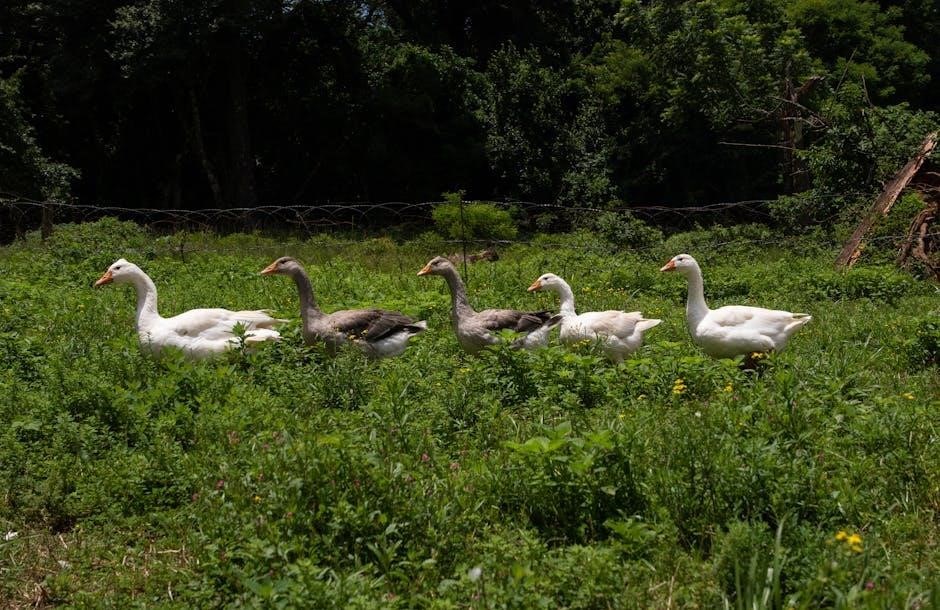
The poem’s imagery – the wild geese themselves, the “soft animal of your body” – evokes a sense of natural beauty and untamed freedom. This resonates with a longing for authenticity and a rejection of societal constraints. The poem doesn’t demand change, but rather offers permission to simply be, a message that remains profoundly relevant today.
The Poem’s Relevance in Contemporary Society
“Wild Geese” speaks directly to the anxieties of modern life, offering a counter-narrative to the relentless pursuit of productivity and self-optimization. In an era defined by social media comparison and constant connectivity, Oliver’s call to “let the soft animal of your body love what it loves” feels revolutionary.
The poem’s message of acceptance is particularly vital in a society grappling with issues of identity and belonging. The ease with which one can find a PDF copy online allows for widespread dissemination of this message, reaching diverse audiences and fostering empathy.
Furthermore, the poem’s emphasis on finding solace in nature resonates with a growing awareness of environmental concerns and a desire for reconnection with the natural world. Educational resources, like those potentially utilizing the poem (e.g., P78), can leverage this relevance to promote ecological consciousness alongside emotional well-being.