
Whole Food List PDF: A Comprehensive Guide (Updated 02/03/2026)
Discover a comprehensive resource detailing whole food principles, including elimination diets like Whole30, and practical guides for kitchen cleaning and healthy meal planning․
Embarking on a journey towards whole foods involves understanding their core principles and utilizing available resources, particularly comprehensive PDF guides․ These documents consolidate essential information, streamlining the process of adopting a healthier lifestyle․ Today, February 3rd, 2026, marks a pivotal moment in accessing updated dietary guidance․
Numerous PDF resources offer quick-start guides for kitchen cleaning, establishing healthy eating habits, and navigating specific dietary programs like Whole30 and the 28 Day Diet․ These programs emphasize eliminating processed foods, sugars, and potentially allergenic ingredients like dairy and grains; Dr․ Jamnadas’ recommendations, often found within these PDFs, advocate for organic meats and carbohydrate sources like potatoes․
Furthermore, resources align with broader guidelines like MyPlate and Dietary Reference Intakes, providing a holistic approach to nutrition․ PDFs often detail managing food allergies, such as cow’s milk protein allergy, and present innovative dietary recommendations like the inverted food pyramid, offering a modern perspective on balanced eating․
What Defines a “Whole Food”?
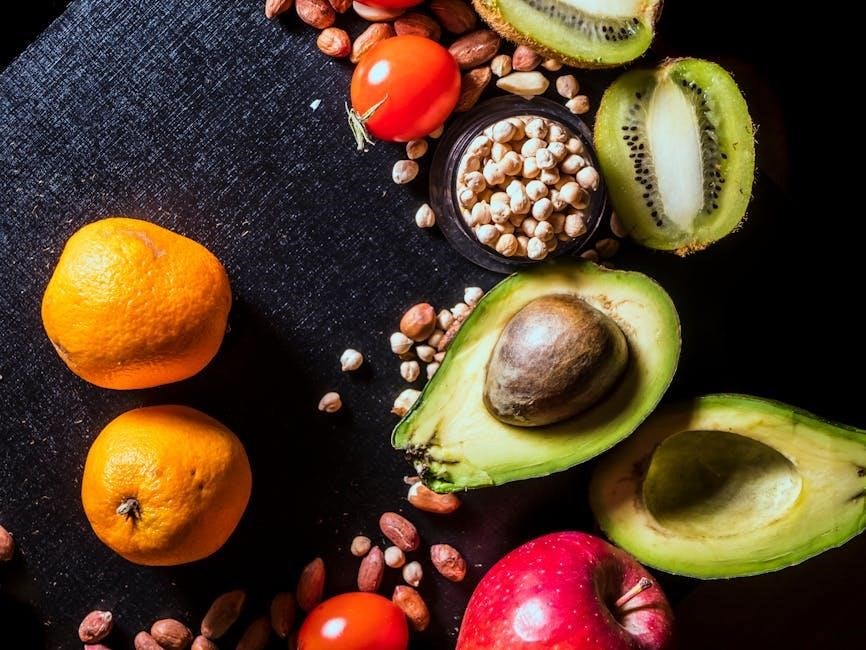
Defining a “whole food” centers around minimal processing and the preservation of its natural state․ These foods are unrefined, free from added ingredients, and retain their inherent nutritional value․ Think vibrant fruits, lean proteins, and a diverse array of vegetables – staples highlighted in resources like Whole30 food lists and guides promoting GLP-1 friendly meal planning․
Conversely, processed foods undergo alterations that diminish their nutritional profile․ PDFs detailing programs like the 28 Day Diet emphasize avoiding these, focusing instead on building meals around whole, unprocessed components․ The emphasis isn’t merely on what you eat, but how it’s presented – prioritizing natural forms over manufactured alternatives․
Ultimately, a whole food approach, as detailed in various dietary guidelines and PDF resources, champions a return to foundational eating patterns, supporting overall health and well-being through nutrient-dense, naturally occurring foods․
The Importance of a Whole Food Diet
Adopting a whole food diet, as outlined in numerous PDF guides and dietary programs, offers substantial health benefits․ Resources like those focused on GLP-1 friendly meal planning demonstrate its effectiveness in blood sugar control, while MyPlate guidelines advocate for its role in balanced nutrition․
Elimination diets, such as Whole30, detailed in accompanying PDFs, highlight the power of removing processed foods to identify sensitivities and improve overall well-being․ Furthermore, managing conditions like Cow’s Milk Protein Allergy, as detailed in practical guidelines, relies heavily on a whole food foundation․
The updated inverted food pyramid emphasizes prioritizing whole grains, fruits, and vegetables, reinforcing the importance of a diet centered around these nutrient-rich options․ Ultimately, a commitment to whole foods, supported by accessible PDF resources, is a proactive step towards long-term health and vitality․
Key Whole Food Diet Programs & Their Lists
Explore popular programs like Whole30 and the 28 Day Diet, each with specific food lists and guidelines detailed in readily available PDF resources․
Whole30: Core Principles & Approved Foods
Whole30 is a rigorous 30-day elimination diet designed to reset your health by removing foods believed to be commonly inflammatory․ Core principles center around short-term deprivation to identify food sensitivities and improve overall well-being․ The Whole30 food list prominently features a focus on real, whole, unprocessed foods․
Approved foods include an abundance of fruits, vegetables, lean proteins – such as organic chicken and steak as recommended by Dr․ Jamnadas – and healthy fats․ Participants can enjoy a diverse range of options within these categories, building meals around these foundational elements․ The program encourages a mindful approach to eating, prioritizing nutrient density and eliminating distractions․
PDF resources detailing the Whole30 program provide a comprehensive overview of allowed foods, shopping lists, and meal planning ideas, making it easier to navigate the 30-day challenge successfully․ These guides are invaluable for those new to the program or seeking clarification on specific dietary restrictions․
Whole30: Foods to Avoid
The Whole30 program necessitates strict adherence to a list of excluded foods for a full 30 days․ Key prohibitions include all forms of alcohol and sugar, including natural sweeteners, to break the cycle of cravings and assess their impact․ Legumes, like beans and lentils, are also off-limits due to their potential digestive issues and anti-nutrient content․
All grains – wheat, rice, corn, oats, and others – are eliminated, alongside dairy products, to reduce inflammation and identify potential sensitivities․ Processed foods, additives, and carrageenan are strictly forbidden, emphasizing a return to truly whole, unprocessed options․ Foods high in fat and oil, such as ghee, butter, and fried items, should also be avoided․
PDF guides detailing the Whole30 restrictions provide a clear and concise reference for participants, ensuring they remain compliant throughout the program and maximize its potential benefits․ Careful label reading is crucial to avoid hidden sugars or prohibited ingredients․
28 Day Diet: Meal Guidelines & Food Restrictions
The 28 Day Diet emphasizes structured meal timing and specific food allowances to promote healthy eating habits․ Breakfast is scheduled between 7-8 am, lunch from 12-2 pm, and dinner times are similarly defined, encouraging consistent metabolic function․ Portion control is a key component, with guidelines dictating appropriate serving sizes for each meal․
Food restrictions center around limiting high-fat and oily foods like ghee, butter, and fried items, aiming to reduce overall calorie intake․ Potato consumption is also advised to be limited, alongside full-cream milk and sweets containing fats, to manage carbohydrate and sugar levels․
PDF resources accompanying the diet provide detailed meal plans and shopping lists, simplifying adherence․ The diet’s focus is on establishing a sustainable eating pattern, rather than a restrictive elimination approach, promoting long-term wellness․
Nutrient-Focused Whole Food Approaches
Explore dietary strategies like GLP-1 friendly plans, MyPlate guidelines, and understanding Dietary Reference Intakes for calcium and vitamin D, optimizing nutritional intake․
GLP-1 Friendly Meal Planning: Foods for Blood Sugar Control
Implementing a GLP-1-friendly meal plan centers around prioritizing high-protein and fiber-rich foods, strategically designed to foster balanced blood sugar levels and effective appetite control․ This approach emphasizes sustained energy and minimizes spikes in glucose, contributing to overall metabolic health․
Begin your day with nutrient-dense options that set the tone for consistent energy․ Focus on incorporating lean proteins, such as fish or poultry, alongside non-starchy vegetables like broccoli or spinach․ These choices promote satiety and support stable blood sugar throughout the morning․
Throughout the day, continue to prioritize whole, unprocessed foods․ Consider incorporating healthy fats, like avocado, in moderation, and choose complex carbohydrates over refined sugars․ Careful food selection is key to maximizing the benefits of a GLP-1 focused diet․
MyPlate Guidelines: Building Healthy Meals
Utilizing the MyPlate guidelines from the United States Department of Agriculture offers a practical framework for constructing balanced and nutritious meals․ This approach emphasizes proportionality and variety, encouraging individuals to fill their plates with a diverse range of whole foods․
The MyPlate model advocates for a plate divided into sections representing fruits, vegetables, grains, protein foods, and a side of dairy․ Prioritize making half your plate fruits and vegetables, selecting a colorful assortment to maximize nutrient intake․ Choose whole grains over refined options, and opt for lean protein sources like fish, poultry, or beans․
Incorporating dairy or fortified soy alternatives in moderation completes the meal․ Following these guidelines ensures a well-rounded intake of essential nutrients, supporting overall health and well-being․
Dietary Reference Intakes: Calcium & Vitamin D
Essential for bone health and numerous physiological functions, calcium and vitamin D require careful consideration within a whole food diet․ The Institute of Medicine’s Food and Nutrition Board established Dietary Reference Intakes (DRIs) to guide adequate intake for different age groups and life stages․
Calcium, found abundantly in dairy products (though alternatives exist – see Dairy Considerations), leafy green vegetables, and fortified foods, supports strong bones and teeth․ Vitamin D, often called the “sunshine vitamin,” aids calcium absorption and is crucial for immune function․
Sources include fatty fish, egg yolks, and fortified foods․ Meeting these DRIs through whole food sources is paramount, ensuring optimal health outcomes․ Consult the 2010 report for specific recommendations tailored to individual needs․
Specific Food Group Recommendations
Explore tailored guidance on incorporating protein, vegetables, fruits, and carbohydrates – like potatoes and whole grains – into a balanced, whole food-focused dietary approach․
Protein Sources: Lean Meats & Alternatives
Prioritizing protein is crucial within a whole food framework, supporting satiety and muscle maintenance․ Dr․ Jamnadas recommends incorporating organic meats, specifically chicken and steak, as excellent protein sources․ These options provide essential amino acids without the potential drawbacks of conventionally raised livestock․
However, a whole food approach isn’t solely reliant on animal products․ Numerous plant-based alternatives offer complete protein profiles․ While the provided text doesn’t explicitly detail these, understanding options like quinoa, chia seeds, and hemp seeds is beneficial․ Focusing on lean protein choices minimizes unhealthy fat intake, aligning with overall dietary goals․
Remember, the emphasis is on whole, unprocessed sources․ Avoiding processed meats and prioritizing naturally occurring protein within whole foods is key to maximizing nutritional benefits and supporting long-term health․ Careful consideration of protein sources contributes significantly to a successful whole food lifestyle․
Vegetable Variety: Essential Nutrients
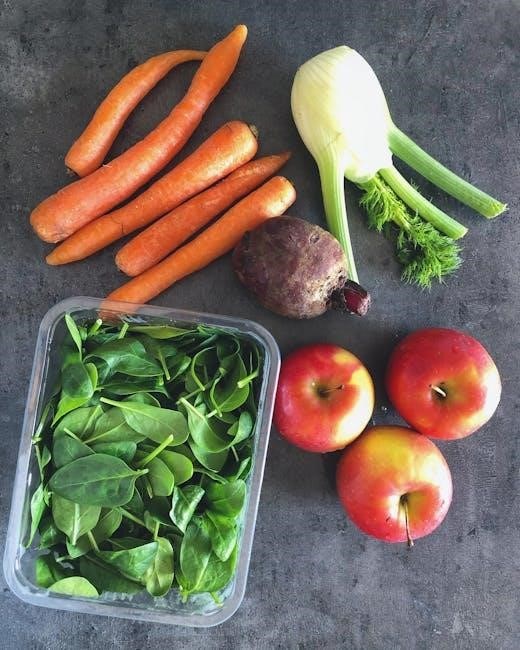
Embracing a diverse range of vegetables is fundamental to a whole food diet, providing a wealth of essential vitamins, minerals, and fiber․ The core principle revolves around consuming foods in their most natural, unprocessed state․ While specific vegetable recommendations aren’t detailed in the provided snippets, the overarching message emphasizes “plenty of fruits and vegetables” as part of healthy meal building, guided by the MyPlate guidelines․

Prioritizing variety ensures a broader spectrum of nutrient intake, addressing individual needs and supporting optimal health․ Different colors often signify different phytonutrients, each offering unique benefits․ A colorful plate is a good indicator of a nutrient-rich meal․
Focusing on whole, unrefined vegetables – avoiding processed or pre-packaged options – maximizes their nutritional value․ This commitment to whole foods directly contributes to improved well-being and a sustainable, healthy lifestyle․
Fruit Choices: Natural Sugars & Vitamins
Fruits are a cornerstone of a whole food approach, offering natural sweetness alongside a vital array of vitamins and antioxidants․ The Whole30 food list explicitly includes fruit, recognizing its nutritional benefits despite its sugar content․ However, mindful consumption is key, as fruits contain fructose, a natural sugar․
The provided resources emphasize enjoying a “variety of foods,” and fruits undoubtedly fall into this category․ They contribute significantly to a balanced diet, supporting overall health and providing essential nutrients․ Prioritizing whole fruits over juices minimizes added sugars and maximizes fiber intake․
While no specific fruit restrictions are detailed, the general principle of a whole food diet encourages choosing fruits in their natural, unprocessed form, contributing to a vibrant and nourishing lifestyle․
Carbohydrate Sources: Potatoes & Whole Grains
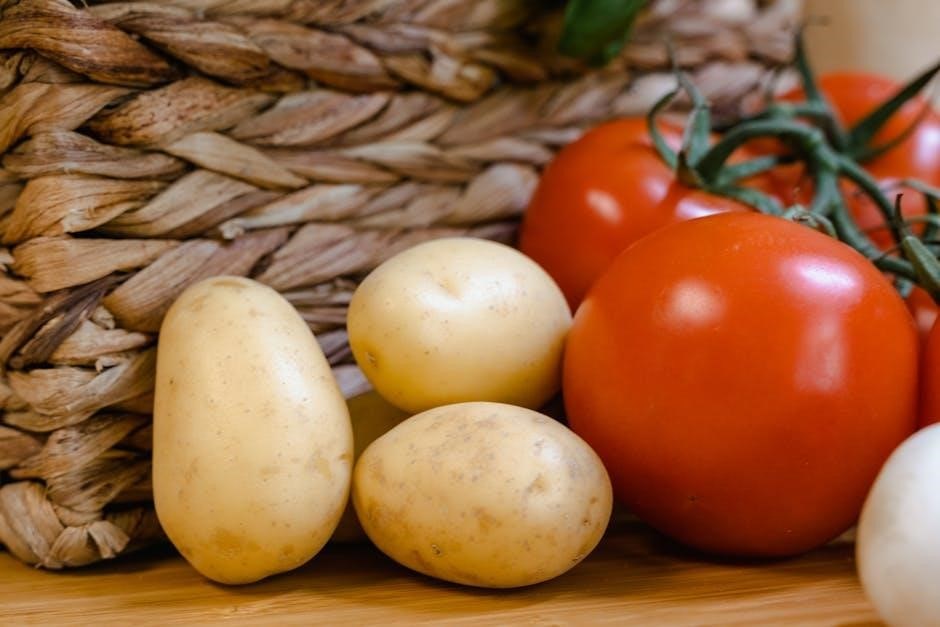
Carbohydrates, when chosen wisely, are an essential component of a whole food diet, providing sustained energy․ Dr․ Jamnadas specifically recommends obtaining carbohydrates from potatoes, highlighting their nutritional value within a healthy eating plan․ However, the 28 Day Diet suggests limiting potato intake, alongside full cream milk and sweets containing fat, indicating a need for moderation․
Interestingly, the Whole30 program excludes grains entirely during the 30-day elimination phase, focusing instead on vegetables and fruits as primary carbohydrate sources․ MyPlate guidelines, conversely, advocate for “plenty of whole grains,” demonstrating differing approaches․
Therefore, carbohydrate choices depend on the specific dietary program followed, with potatoes offering a viable option and whole grains fitting into broader, less restrictive whole food plans․

Foods to Limit or Avoid
Certain foods, like those high in fat and oil (ghee, butter, fried items) and excessive sugars, should be limited or avoided for optimal health benefits․
Fats & Oils: Healthy vs․ Unhealthy Choices
Navigating the world of fats and oils requires discernment, as not all are created equal when pursuing a whole food lifestyle․ The information suggests a cautious approach to high-fat and oily foods, specifically mentioning ghee, butter, and fried foods as items to avoid or significantly limit․
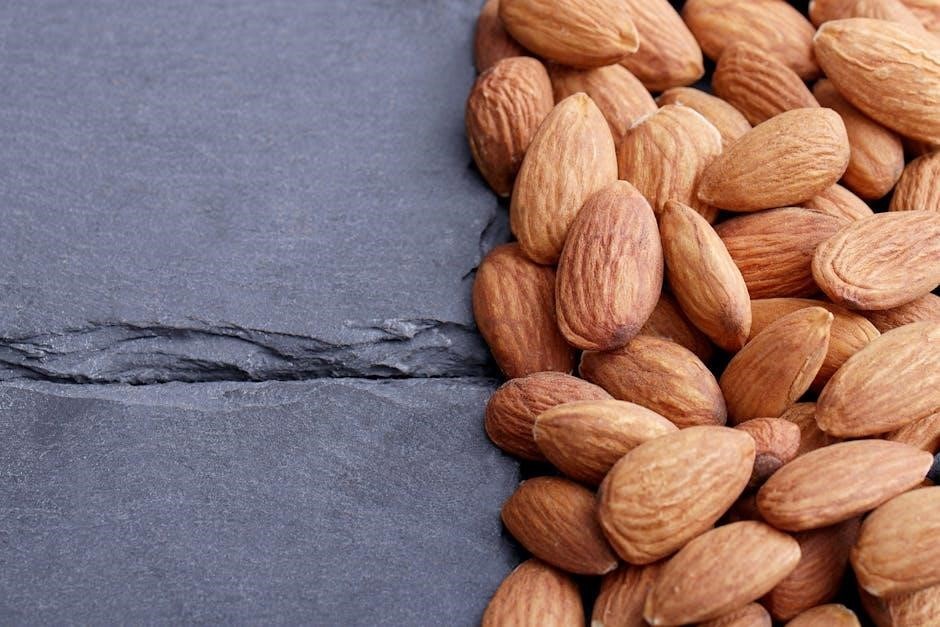
Understanding the distinction between healthy and unhealthy fats is crucial․ While the provided text doesn’t detail specific “healthy” fats, a broader whole food perspective emphasizes sources like avocados, nuts, seeds, and olive oil․ These provide essential fatty acids beneficial for overall health․
Conversely, processed oils, trans fats, and excessive saturated fats found in many fried foods contribute to inflammation and should be minimized․ Prioritizing whole, unprocessed fat sources supports the principles of a whole food diet, promoting sustained energy and well-being․ Careful consideration of fat intake is paramount․
Dairy Considerations: Alternatives & Restrictions
Dairy presents a complex consideration within a whole food framework, particularly given its prominent role in many conventional diets․ The provided information highlights dairy as a restricted element within the Whole30 program, indicating a period of elimination to assess individual tolerance and potential sensitivities․
Full cream milk is specifically mentioned as a food to limit, suggesting a preference for lower-fat options or, ideally, exploration of alternatives․ These alternatives might include plant-based milks – almond, coconut, or oat – which align with a whole food philosophy by avoiding processed ingredients and artificial additives․
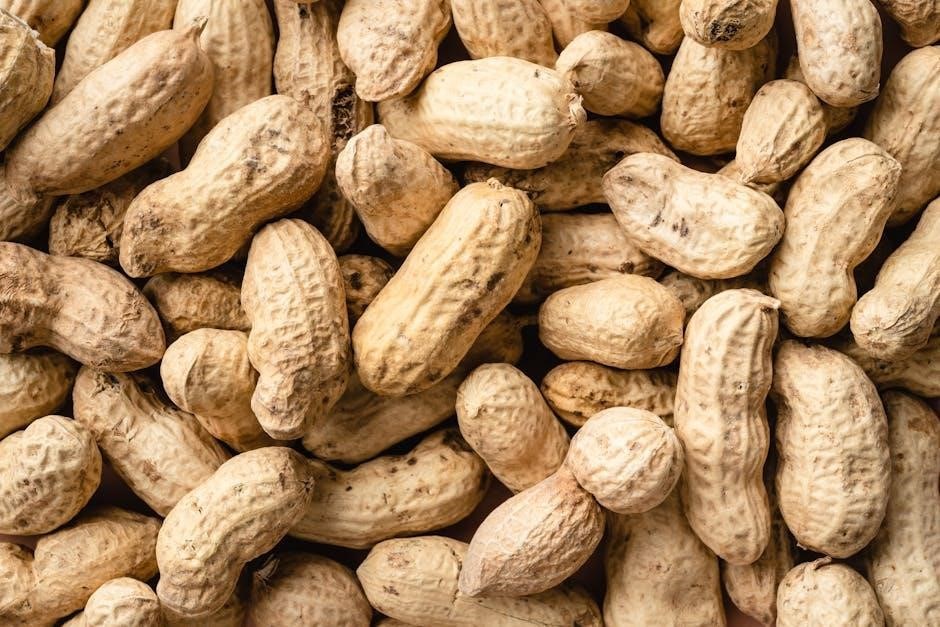
Furthermore, the document referencing cow’s milk protein allergy underscores the importance of careful consideration for individuals with sensitivities․ A personalized approach, guided by dietary guidelines and potentially medical advice, is essential when navigating dairy consumption within a whole food lifestyle․
Sugar & Sweeteners: Natural vs․ Processed
Sugar and sweeteners require careful discernment when embracing a whole food approach․ The Whole30 program explicitly prohibits sugar, emphasizing the elimination of added sweeteners to reset taste preferences and identify potential inflammatory responses․ This restriction extends beyond refined sugars to encompass artificial sweeteners and even some natural alternatives․
However, the concept of “natural sugars” found in fruits is permissible within many whole food frameworks, acknowledging their co-occurrence with fiber, vitamins, and antioxidants․ This contrasts sharply with processed sugars, stripped of these beneficial nutrients and often linked to adverse health effects․
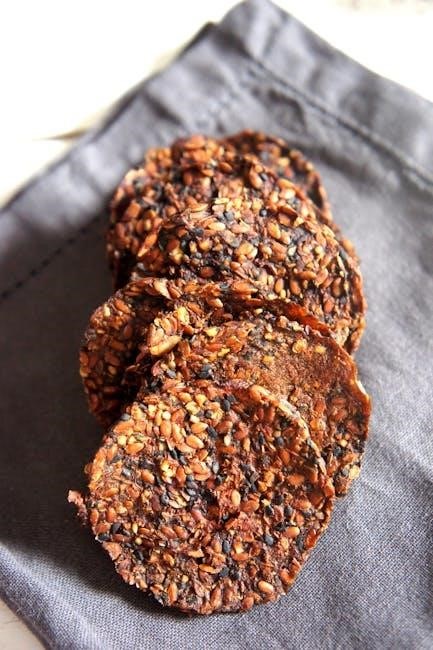
The provided text also mentions limiting sweets containing fat, suggesting a broader caution regarding indulgent treats․ Prioritizing whole, unprocessed foods naturally minimizes sugar intake, fostering a healthier relationship with sweetness and overall dietary balance․

Practical Application & Resources
Explore guides for kitchen cleaning, managing cow’s milk protein allergy, and implementing updated dietary recommendations like the inverted food pyramid for success․
Cleaning Your Kitchen for Whole Food Success
Embarking on a whole food journey often begins with a kitchen overhaul․ This quick-start guide emphasizes establishing healthy eating habits by removing temptations and creating a supportive environment․ Thoroughly cleanse all surfaces, discarding processed foods, refined sugars, and unhealthy fats․ Prioritize organization, dedicating specific spaces for whole fruits, vegetables, lean proteins, and whole grains․
Focus on eliminating items that don’t align with your chosen whole food program, such as those restricted by Whole30 or the 28 Day Diet․ Ensure proper storage containers are available to maintain freshness and prevent cross-contamination․ A clean and organized kitchen is a powerful tool, fostering mindful eating and simplifying meal preparation, ultimately contributing to long-term success with your whole food lifestyle․
Managing Cow’s Milk Protein Allergy: Dietary Guidelines
Navigating a cow’s milk protein allergy (CMPA) requires diligent dietary management, particularly for infants and children․ National practical guidelines emphasize complete avoidance of all cow’s milk proteins, including those hidden in processed foods․ This necessitates careful label reading and a focus on whole, unprocessed alternatives․
Prioritize hypoallergenic formulas or extensively hydrolyzed proteins as recommended by healthcare professionals․ Introduce alternative calcium and vitamin D sources, as dairy is a common source of these nutrients․ Whole food options like leafy greens, fortified plant-based milks, and lean proteins can help bridge nutritional gaps․ Strict adherence to these guidelines is crucial for managing symptoms and promoting healthy development in individuals with CMPA․
The Inverted Food Pyramid: Updated Dietary Recommendations
Recent shifts in dietary science have led to an “inverted” food pyramid, representing a modernized approach to nutrition․ This model prioritizes whole, unprocessed foods at the base, emphasizing fruits, vegetables, and whole grains as the foundation of a healthy diet․
Unlike traditional pyramids, the inverted version places foods to be limited – fats, oils, and sweets – at the apex, signifying their reduced role․ Lean proteins and dairy (or alternatives) occupy a middle tier, advocating for moderate consumption․ This updated guide encourages a focus on nutrient density and mindful eating, promoting a lifestyle centered around whole foods for optimal health and well-being, moving away from calorie-centric approaches․