Napoleon Gas Fireplace: A Comprehensive Manual
This manual provides essential guidance for safe operation‚ troubleshooting‚ and maintenance of your Napoleon gas fireplace‚ ensuring years of cozy warmth and reliable performance․
Understanding Your Napoleon Gas Fireplace
Your Napoleon gas fireplace is a sophisticated heating appliance designed for both beauty and efficiency․ Familiarizing yourself with its components and operation is crucial for optimal performance and safety․ This section will outline the basic functionality‚ including the gas valve‚ pilot assembly‚ burner‚ and remote control system․
Understanding how these elements interact allows for effective troubleshooting‚ as highlighted by resources like HeatLand Heating & Air Conditioning․ Remember‚ the remote control requires a functioning receiver box and batteries‚ as noted by FireplaceRemoteControls․com․ Always prioritize safety‚ adhering to the precautions detailed in the full manual and avoiding electrical connections to the control valve‚ as emphasized by Napoleon’s documentation․
Safety First: Important Precautions
Prioritize safety by ensuring proper ventilation and installing carbon monoxide detectors; always turn off the appliance to mitigate burn or abrasion risks․
Carbon Monoxide Detection
Carbon monoxide (CO) is a colorless‚ odorless‚ and potentially fatal gas․ Napoleon gas fireplaces‚ while designed for safety‚ require vigilant CO detection․ Install CO detectors on every level of your home and in sleeping areas‚ following manufacturer’s instructions for placement and maintenance․
Regularly test your detectors to ensure they are functioning correctly․ Never ignore a CO alarm; evacuate the premises immediately and call emergency services․ Symptoms of CO poisoning include headache‚ dizziness‚ nausea‚ and confusion․ Proper fireplace installation‚ ventilation‚ and annual inspections by a qualified technician are crucial for preventing CO buildup․ Your safety is paramount․
Ventilation Requirements
Proper ventilation is critical for the safe and efficient operation of your Napoleon gas fireplace․ Ensure the fireplace is installed with the correct venting system as specified by local codes and the manufacturer’s instructions․ Never obstruct or modify the vent pipe‚ as this can lead to dangerous carbon monoxide buildup․
Regularly inspect the vent pipe for any blockages‚ damage‚ or corrosion․ Adequate airflow is essential for complete combustion and to prevent the accumulation of harmful gases․ Consult a qualified technician if you have any concerns about your fireplace’s ventilation system․ Maintaining proper ventilation safeguards your home and family․
Components of a Napoleon Gas Fireplace
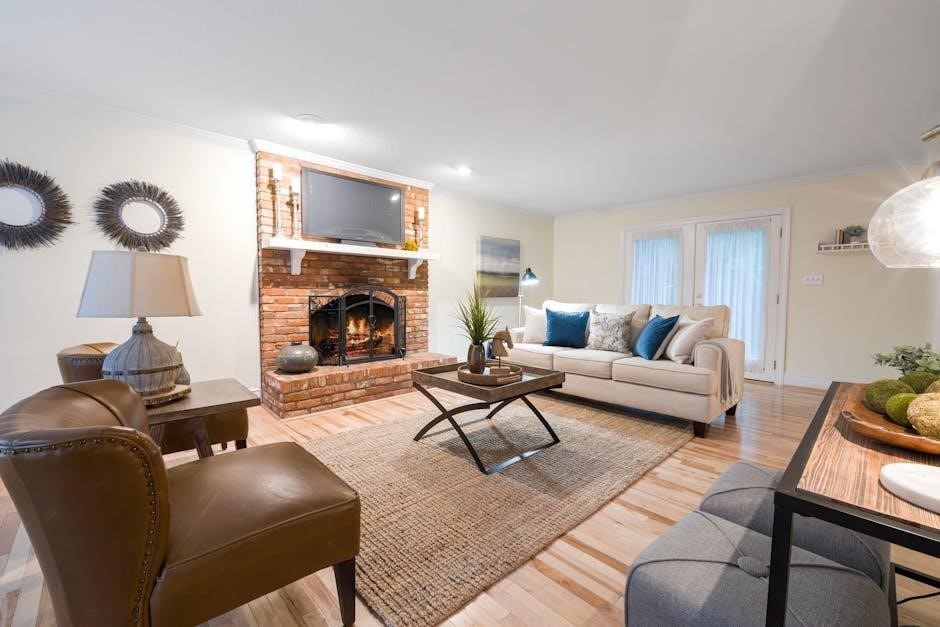
Napoleon fireplaces feature a gas valve‚ pilot assembly‚ burner with realistic logs‚ and a remote control system for convenient operation and heat management․
Gas Valve and Control System
The gas valve regulates gas flow to the burner‚ controlled by a knob or remote receiver․ Ensure the valve is never exposed to 110 volts‚ as this can cause damage․ Depress and turn the gas knob counter-clockwise to activate the fireplace‚ adjusting flame height if equipped․
The control system includes a receiver box‚ often battery-powered‚ that communicates with the remote․ Verify the receiver switch is in the ‘On’ position for remote operation․ If the burner doesn’t ignite‚ a technician may be needed for in-depth troubleshooting of the valve and receiver․ Proper function is crucial for safe and efficient heating․
Pilot Assembly
The pilot assembly provides a small‚ continuous flame to ignite the main burner․ If the pilot light won’t stay lit‚ it’s a common issue requiring attention․ With the pilot lit‚ depress and turn the gas knob counter-clockwise to the ‘On’ position․
Ensure the flame adjustment valve is set to high if equipped․ Remember‚ the main burner may not ignite solely by turning the valve; the remote switch must also be ‘On’․ Regular inspection of the pilot assembly is vital for safe operation‚ and professional servicing is recommended for persistent issues․
Burner and Logs
The burner distributes gas to create the flame‚ while the logs are designed to simulate a natural wood-burning fire․ Poor flame quality can be a symptom of burner issues․ Inspect the burner for obstructions and ensure proper gas flow․
Carefully clean the burner and logs regularly to maintain optimal performance and appearance․ Be mindful of potential risks of burns and abrasions during cleaning; protective gear is advised․ A malfunctioning burner failing to ignite requires professional diagnosis and repair for safe operation․
Remote Control and Receiver
Napoleon fireplace remotes utilize battery power for both the transmitter (remote) and the receiver box․ Ensure both have fresh batteries for reliable operation․ If the fireplace doesn’t respond‚ verify the receiver box’s slider switch is in the “On” position․
If issues persist‚ a technician may be needed for in-depth troubleshooting and repair․ The remote must be in the “on” position to ignite the burner when using a remote on/off switch or thermostat․
Starting and Operating Your Fireplace
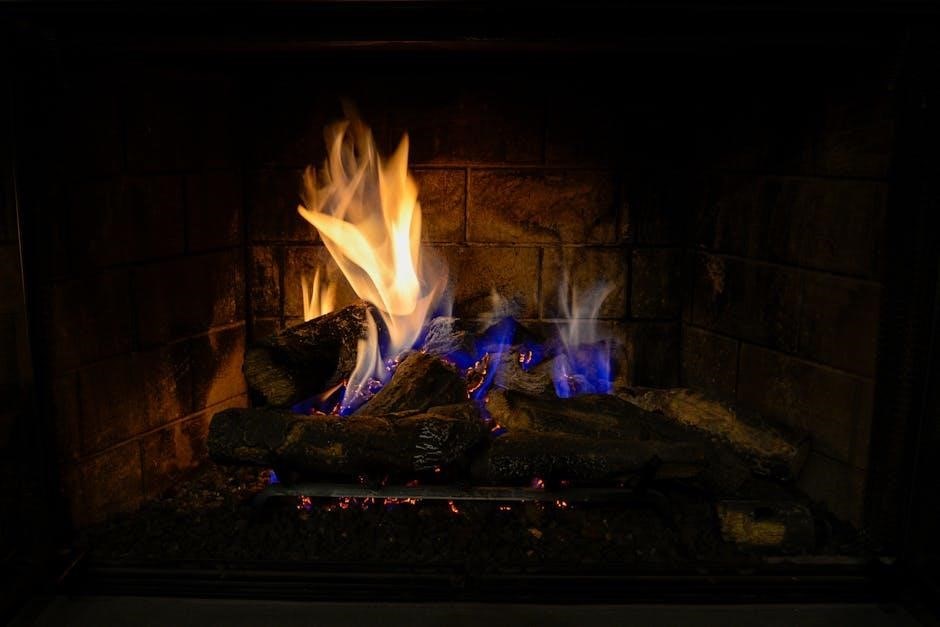
Properly lighting and operating your Napoleon fireplace involves a specific initial procedure‚ utilizing the remote control for convenient flame height and heat adjustments․
Initial Lighting Procedure
Before the initial lighting‚ ensure the gas supply is connected and the control valve is off․ Depress and turn the gas knob counter-clockwise to the “On” position while simultaneously pressing the pilot button․ Observe the pilot flame; if it doesn’t ignite after several attempts‚ consult a qualified technician․
Once the pilot is lit‚ continue holding the gas knob for approximately 30-60 seconds․ Release the knob; the pilot should remain lit․ If equipped with a flame adjustment valve‚ push and turn it to “High”․ Remember‚ if a remote on/off switch is present‚ the remote must be “On” for the main burner to ignite when the valve is turned on․
Using the Remote Control
Your Napoleon gas fireplace remote controls operation through a receiver box‚ powered by batteries․ Ensure both the remote transmitter and receiver box have fresh batteries for optimal performance․ Locate the receiver box‚ typically near the control valve‚ and slide the power switch to the “On” position․
If the fireplace doesn’t respond‚ verify the remote is paired correctly․ If issues persist‚ a technician may be needed for in-depth troubleshooting․ The remote allows convenient control of flame height‚ heat output‚ and on/off functions‚ enhancing your comfort and convenience․
Adjusting Flame Height and Heat Output
Napoleon fireplaces offer adjustable flame height and heat output for personalized comfort․ Using the remote control‚ or the manual valve if equipped‚ you can precisely control the warmth․ Depress and turn the gas knob counter-clockwise to the “On” position‚ and then adjust the flame using the control valve or remote․
If a flame adjustment valve is present‚ push and turn the knob to increase or decrease the flame․ Remember‚ the remote switch must be “On” for the main burner to ignite when using remote control functionality․
Troubleshooting Common Issues
Addressing typical problems like pilot light failures‚ ignition issues‚ remote control malfunctions‚ and unusual noises will restore your Napoleon fireplace’s optimal function․
Pilot Light Won’t Stay Lit
If your Napoleon gas fireplace’s pilot light repeatedly extinguishes‚ several factors could be at play․ First‚ ensure the gas supply is fully open․ A dirty or faulty pilot assembly is a common culprit; carefully inspect and clean it‚ or consider replacement․
The thermocouple‚ responsible for sensing the pilot flame and allowing gas flow‚ might be defective and require replacement by a qualified technician․
Also‚ check for drafts that could be blowing out the pilot․ Finally‚ verify the gas valve is functioning correctly; a professional diagnosis is recommended for this component․ Always prioritize safety and consult a technician if unsure․
Burner Fails to Ignite
If the pilot light is lit‚ but the main burner doesn’t ignite‚ verify the remote control is switched ‘On’‚ as some models require remote activation even with the gas valve turned on․ Check the receiver box; ensure it’s powered and the slider switch is in the ‘On’ position․
A faulty gas valve could prevent gas from reaching the burner‚ necessitating professional inspection․ Confirm electric power to the fireplace is active․
Inspect for obstructions within the burner itself․ If issues persist‚ contact a certified technician for in-depth troubleshooting and potential repair of the control system․
Remote Control Not Working
Begin by checking the batteries in both the remote transmitter and the receiver box․ Low batteries are a common cause of remote failure․ Ensure the receiver box is powered on‚ with the slider switch positioned to ‘On’․ If the fireplace and receiver appear functional‚ attempt to activate the fireplace directly from the receiver․
Verify there’s no interference blocking the signal․ If problems continue‚ a technician may be needed to diagnose issues within the remote’s circuitry or the receiver box itself․
Unusual Noises During Operation
Hearing unfamiliar sounds while your Napoleon fireplace is running warrants immediate attention․ Clicking or popping noises can sometimes be normal during initial ignition or burner adjustments‚ as gas flows to the burner․ However‚ persistent or loud banging‚ whistling‚ or rumbling sounds are not typical and could indicate a problem․
These sounds may stem from gas supply issues‚ burner obstructions‚ or even a malfunctioning valve․ Contact a certified technician from HeatLand Heating & Cooling for a thorough inspection and repair to ensure safe and efficient operation․
Maintenance and Cleaning
Regular inspections and cleaning are vital for optimal performance and longevity of your Napoleon gas fireplace‚ ensuring safe and efficient heating․
Regular Inspection Checklist
Before each heating season‚ and ideally monthly during use‚ conduct a thorough inspection of your Napoleon gas fireplace․ First‚ visually examine the burner for any obstructions or damage‚ ensuring proper flame pattern․ Check the pilot assembly for cleanliness and stability‚ verifying a consistent flame․ Inspect the gas valve and connections for leaks – never use open flames to check!
Ensure the ventilation pathways are clear of debris‚ promoting safe combustion․ Examine the remote control receiver for secure battery connections and proper function․ Finally‚ carefully inspect the logs for cracks or damage‚ and confirm all electrical connections are tight and secure․ Addressing these points proactively will maintain safety and efficiency․
Cleaning the Burner and Logs
Regular cleaning ensures optimal performance and a beautiful flame presentation․ Before cleaning‚ always turn off the gas supply and allow the fireplace to cool completely․ Gently vacuum the burner area to remove dust and debris‚ avoiding any forceful scrubbing that could damage components․
For the logs‚ use a soft brush to remove soot or ash․ Avoid using harsh chemicals or abrasive cleaners‚ as these can discolor or damage the logs․ Inspect the logs for cracks and replace any damaged pieces․ A clean burner and log set contribute to efficient combustion and a visually appealing fire․
Receiver Box Battery Replacement
Maintaining the receiver box batteries is crucial for reliable remote control operation․ Locate the receiver box‚ typically near the gas valve․ Carefully open the battery compartment and note the battery type required – usually AA or AAA․ Remove the old batteries and install fresh ones‚ ensuring correct polarity (+ and -)․
Slide the receiver box switch back to the “On” position and test the remote functionality․ If the remote still doesn’t work‚ double-check the batteries and consider servicing the fireplace․ Proper battery maintenance ensures seamless control of your Napoleon gas fireplace․
Advanced Troubleshooting & Repair
Complex issues require professional expertise; diagnosing electrical problems or gas valve malfunctions should only be performed by certified technicians for safety․
Diagnosing Electrical Issues
Electrical problems within your Napoleon gas fireplace often stem from power supply disruptions or faulty wiring to the receiver box․ Begin by verifying the fireplace is receiving power – check the circuit breaker and ensure all electrical connections are secure․ If the remote control isn’t functioning‚ confirm the receiver box has fresh batteries․
Inspect wiring for any visible damage or loose connections․ Do not attempt repairs if you are uncomfortable working with electricity; always consult a qualified technician․ A multimeter can help determine if the receiver is receiving power․ Remember‚ connecting 110 volts to the control valve is dangerous and should never be attempted․ Prioritize safety and professional assistance when dealing with electrical components․
Gas Valve Problems and Solutions
Issues with the gas valve can manifest as a pilot light that won’t stay lit or a burner failing to ignite․ First‚ ensure the gas supply is fully open․ If the pilot won’t stay lit after repeated attempts‚ the thermocouple may be faulty and require replacement by a qualified technician․
Never attempt to disassemble or repair the gas valve yourself – this is extremely dangerous․ A malfunctioning valve might also indicate a problem with the control system․ If equipped with a flame adjustment valve‚ ensure it’s correctly positioned․ Always prioritize safety and contact a certified technician for gas valve diagnostics and repairs․
Professional Service Recommendations
For complex issues or if you’re uncomfortable performing maintenance‚ contacting a certified Napoleon fireplace technician is crucial․ HeatLand Heating & Cooling offers 24/7 emergency repairs and expert troubleshooting in the Greater Vancouver area․ Regular professional inspections – ideally annually – can prevent minor problems from escalating into costly repairs․
Technicians can diagnose electrical issues‚ gas valve problems‚ and ensure proper ventilation․ They possess the tools and expertise to safely handle all aspects of your fireplace’s operation․ Don’t hesitate to seek professional help; it ensures your fireplace operates safely and efficiently for years to come․
Understanding Error Codes (If Applicable)
Your Napoleon fireplace may display error codes indicating specific issues; consult the model’s documentation to decode these messages and take appropriate action․
Decoding Fireplace Display Messages
Napoleon gas fireplaces with digital displays utilize error codes to communicate system malfunctions․ These codes aren’t random; they pinpoint the source of the problem‚ aiding in efficient troubleshooting․
Refer to your specific model’s documentation – often available on the Napoleon website (www․napoleon․com) – for a complete list of codes and their meanings․ Common issues indicated by codes might relate to flame sensor problems‚ gas valve failures‚ or communication errors between the remote receiver and the fireplace․
Understanding the code allows you to attempt simple fixes‚ like battery replacement‚ before calling a technician․ However‚ always prioritize safety and consult a qualified professional for complex repairs or if you’re uncomfortable performing any maintenance․
Resetting the System After an Error
After addressing the cause of an error code‚ a system reset is often necessary to restore normal fireplace operation․ Typically‚ this involves turning off the fireplace using both the remote control and the manual gas valve․
Disconnect the power supply to the unit for approximately 60 seconds․ This allows the control board to fully reset․ Reconnect the power and attempt to relight the fireplace following the initial lighting procedure outlined in this manual․
If the error persists‚ consult the error code section or contact a qualified technician․ Repeated errors indicate a deeper issue requiring professional attention․
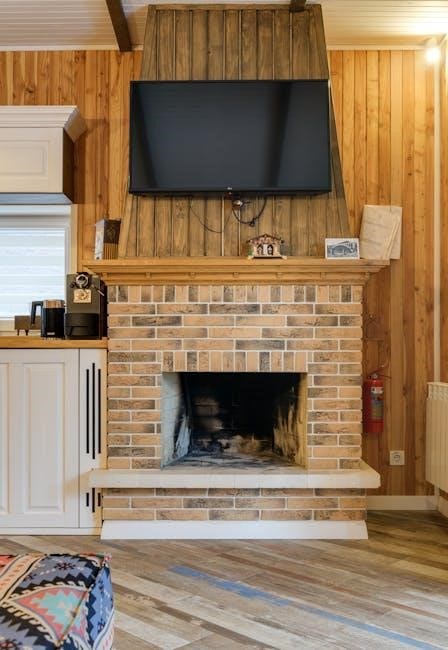
Napoleon Fireplace Specific Models
Certain Napoleon models‚ like the Oakville Series (GDIX3)‚ may have unique considerations regarding installation‚ operation‚ and specific component locations․
Oakville Series (GDIX3) Considerations
The Oakville Series (GDIX3) requires careful attention to detail during installation and operation․ Notably‚ avoid connecting 110 volts to the control valve‚ as this can cause significant damage․ Always prioritize safety by turning off the appliance before any maintenance or inspection․
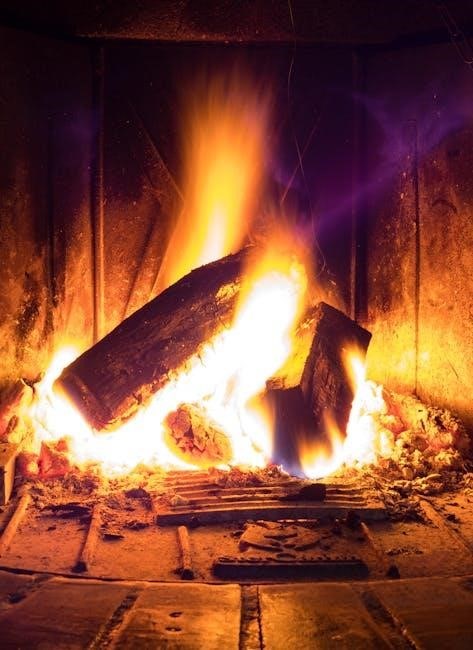
When working with this model‚ remember the risk of burns from hot surfaces and the potential for cuts or abrasions․ Protective gloves and safety glasses are essential during installation or repair․ Refer to the detailed illustrations available on napoleon․com and hearthnapoleon․com for specific component locations and wiring diagrams․ Contact Napoleon directly at 1 (866) 820-8686 for further assistance․